Kashgar Ancient City Is a 5A Theme Park Built on a Demolished Uyghur Old Town
At 10:30 every morning, except Mondays, a crowd packs the square outside the east gate of what the signs now call the Kashgar Ancient City. Drums start. The gate swings open. Dancers in Uyghur costume perform to welcome actors playing Zhang Qian and Ban Chao, the Han dynasty envoy and general, along with the Fragrant Concubine. The show runs about twenty minutes. Phones go up, the crowd goes in, and the day's business begins.
We've already covered how the town behind that gate was knocked down. That story is in our piece on the Old City demolition. This one is about what was put in its place, who it serves, and why Beijing wants it so badly to succeed.
Start with the gate itself. Chinese promotional material uses it as the face of old Kashgar. It's a modern structure. So is most of what lies behind it.
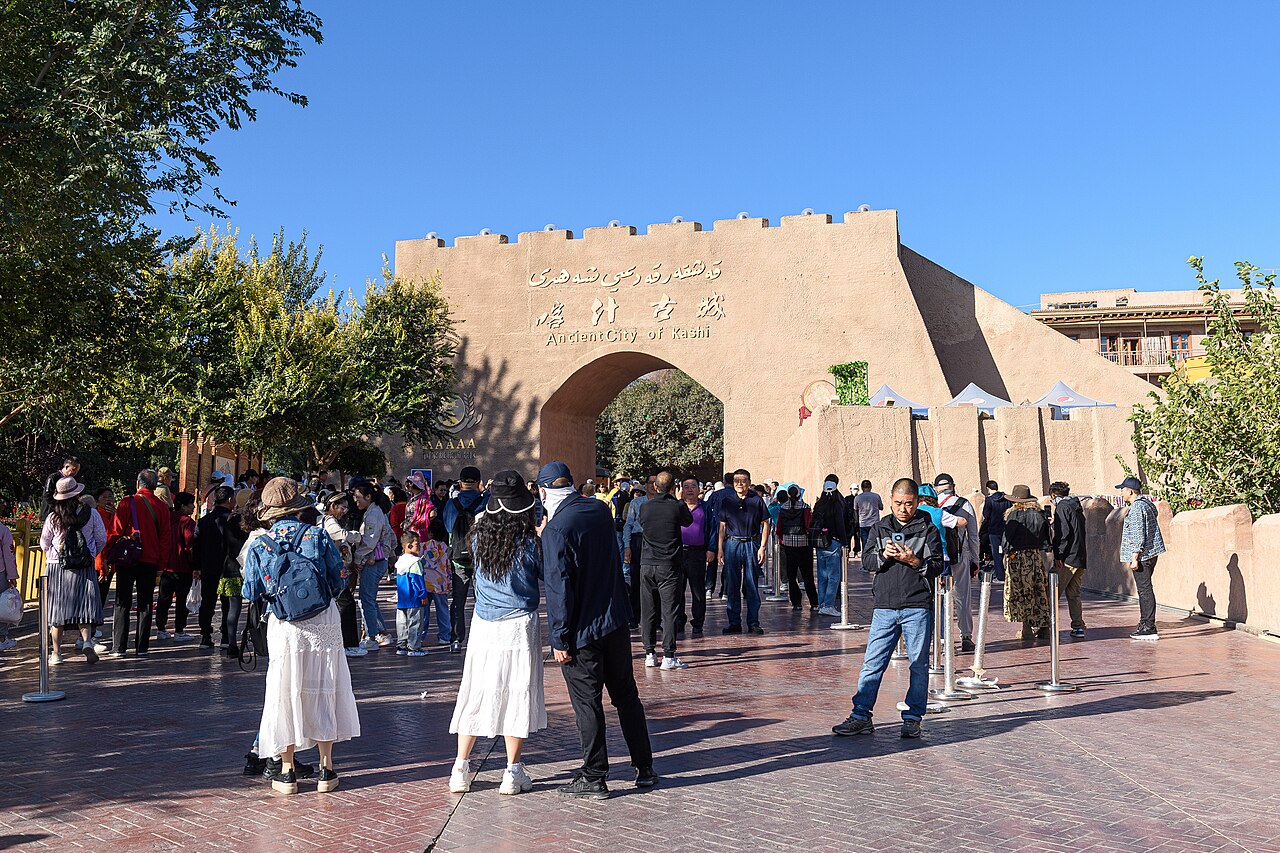
Photo: N509FZ, CC BY-SA 4.0, via Wikimedia Commons

The cast list tells you whose history this is
Look at who gets welcomed at the gate. Zhang Qian was the envoy the Han court sent west in the second century BC. Ban Chao was the general who brought the Tarim oasis states under Han control in the first century AD. Both are useful to a state that wants to say Kashgar has always been Chinese. The Fragrant Concubine is a Qing court legend about a Uyghur woman taken to Beijing as a consort, retold for two centuries as a romance. We looked at what that legend did to a real Uyghur shrine in our post on the Afaq Khoja mausoleum.
Who isn't in the show? Mahmud al-Kashgari, who wrote his great dictionary of the Turkic languages here in the eleventh century. The Karakhanid rulers who made Kashgar a capital. Anyone from the 1933 republic declared in this city. Uyghurs appear in the ceremony as dancers. The named roles go to Han envoys and a Qing fantasy.
That's the script for the whole site. Uyghur culture is the costume. The plot belongs to the state.
Who collects the money
The numbers are big, and Beijing is proud of them. Xinhua reported that the Ancient City received 16.69 million visits in the first seven months of 2025 and brought in 7.47 billion yuan in what it calls comprehensive tourism revenue. Xinjiang as a whole logged 300 million visits in 2024, up 14 per cent, with 355.2 billion yuan in revenue. The region's 2030 plan, unveiled in May 2025, aims for 400 million visits and a trillion yuan a year.
So who gets that money? The rebuilt quarter was leased by the Old City's neighbourhood Communist Party committee to Zhongkun Investment Group, a Beijing tourism and property developer that markets it as a "living Uyghur folk museum". The Uyghur Human Rights Project describes Zhongkun as holding a near monopoly over Kashgar tourism. A government management committee runs the site. The rules come from Urumqi. The hotels coming into the region carry names like Hilton, Sheraton and InterContinental; AFP reported deals worth 12.6 billion yuan with those chains in 2023.
Residents do earn something. State media likes to profile them: a café on a second floor whose window seat is a photo spot, a fifth-generation instrument maker, a former tour guide who turned her family house into a guesthouse with a small exhibition hall and a 30-yuan entry fee. Officials say the rebuild created jobs for more than 10,000 people. Fine. These are shopkeepers inside a concession that someone else owns and the party polices. They rent out their own culture, by the hour, to visitors who arrive on a schedule set by the gate show.
The costume trade says it all. AFP found studios in the old town charging more than 1,500 yuan for photo packages that dress tourists in Uyghur clothes. That's in a region where the authorities banned face veils and "abnormal" beards for the Uyghurs who actually live there, and where leaked detention lists give a veil as the reason a woman was locked up. A Han visitor can dress up as a Uyghur for an afternoon. Uyghurs don't get to choose what they wear.
Tourism as stability, in Beijing's own words
None of this is an accident of the market. Xinjiang's party committee has run a policy called 旅游兴疆, "developing Xinjiang through tourism", since at least 2019. State media frames the cultural and tourism aid programme as part of "social stability and lasting order" in the region. Those are the words used for the security campaign too.
Xi Jinping spelled out the job in Urumqi in August 2023. He told officials to open Xinjiang up more to tourism and encourage visitors from home and abroad. In the same speech he asked for more positive publicity to show Xinjiang's "openness and self-confidence", and to rebut what he called false and harmful opinion. Read those two lines together. The tourists are the publicity.
Gregory Fayard, writing in The China Quarterly in 2021, studied the travel diaries of Han visitors to Xinjiang. He found officials treating tourism as a source of both money and social stability, and found the tourists' own accounts justifying the police presence they saw. Their complaints were about taste, aimed at sites run like government offices. The armed checkpoints, they thought, were what made the trip safe.
That's the return on investment. Every visitor who posts a sunny video from the east gate is a witness for the defence. It's why a state-linked journalist could ask in 2023 whether Kashgar looked like an "open-air prison", and expect the photos to answer for him.
What a visitor can't buy
In March 2024 Xinjiang's legislature passed a regulation, in force from May that year, banning any demolition, alteration or disruption of the Ancient City's protected features, down to its courtyards, old trees and street pillars. It came fifteen years after the bulldozers started. By then, on the Uyghur Human Rights Project's count, about 85 per cent of the old quarter was gone. The law protects the copy.
Sean Roberts at George Washington University calls the result museumification: Uyghur culture packed up as an attraction. Kahar Barat, a Uyghur-American historian, says real preservation would mean the manuscripts, the madrassas and the mosques. Those are exactly what's missing. On a visit in 2023 AFP counted fewer than two dozen men, most of them elderly, at Friday prayers in the Id Kah Mosque, where thousands used to come. The old Grand Bazaar had reportedly been razed the year before. Neighbourhood mosques stood locked, some with their minarets removed and slogans telling people to love the country and the party.
So run the test. A visitor can buy a show, a costume, a guesthouse bed and a photo at the gate. They can't buy a conversation with a Uyghur who is free to say what happened to his family after 2017. That part isn't for sale. It's what the surveillance grid is there to keep off the tour.
We'll grant Beijing one thing. The new houses have plumbing, the lanes take a fire engine, and plenty of residents prefer that. Nobody serious argues Kashgar should have stayed unsafe. What they argue is that the people who lived there should have had a say in what happened next.
They didn't. They got a role in the show.